


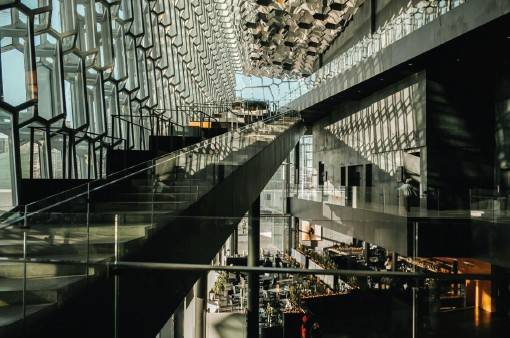
The New Zealand office market is changing and fast. Businesses are not chasing bigger footprints anymore. They are chasing better spaces. This shift, known as the “flight to quality,” is shaping where companies choose to work and where investors put their money.
What’s driving the change?
Hybrid work is here to stay, but it is not just about working from home. Companies want offices that bring people together. Spaces that feel collaborative, healthy, and inspiring. That means natural light, modern amenities, and sustainability credentials are now non negotiable.
The numbers tell the story. In Auckland, prime office vacancy sits at around 6.8%, while older secondary grade buildings are struggling to keep tenants without offering hefty incentives. In Wellington, seismic compliance is adding pressure, pushing demand toward newer, safer stock. Older buildings that cannot meet these standards risk being left behind.
The economics behind it.
Interest rates are easing, and confidence is slowly returning. But here is the catch: building new premium offices is not cheap. High construction costs mean landlords who already own quality stock or who invest in upgrades are in the best position to benefit from this trend.
Why tenants care.
For many businesses, the office is more than a workplace. It is a statement. It is about attracting talent, supporting wellbeing, and meeting ESG goals. Green buildings are not just good for the planet. They are good for business. Studies show they can command rental premiums of 2–8% and occupancy premiums of up to 18%.
What it means for investors
• Prime assets will outperform: Expect stronger rents and lower vacancy risk.
• Older stock faces pressure: Without upgrades, these buildings risk becoming stranded assets.
• Capex is strategic: Investing in seismic resilience and sustainability is not optional. It is essential.
The bottom line.
The flight to quality is not a passing trend. It is a fundamental shift in how businesses think about space.
For landlords, that means upgrading or repositioning assets. For tenants, it is about finding spaces that align with culture and values. And for investors, the message is clear: quality wins.