


Many people refer to it as “renters insurance”, but in New Zealand, tenants are usually looking for a contents insurance policy, particularly when they want cover for their belongings and potential liability as a tenant.
Contents insurance is commonly associated with covering belongings such as furniture, electronics, clothing and appliances. Many people are less aware that contents insurance policies may also include personal liability cover.
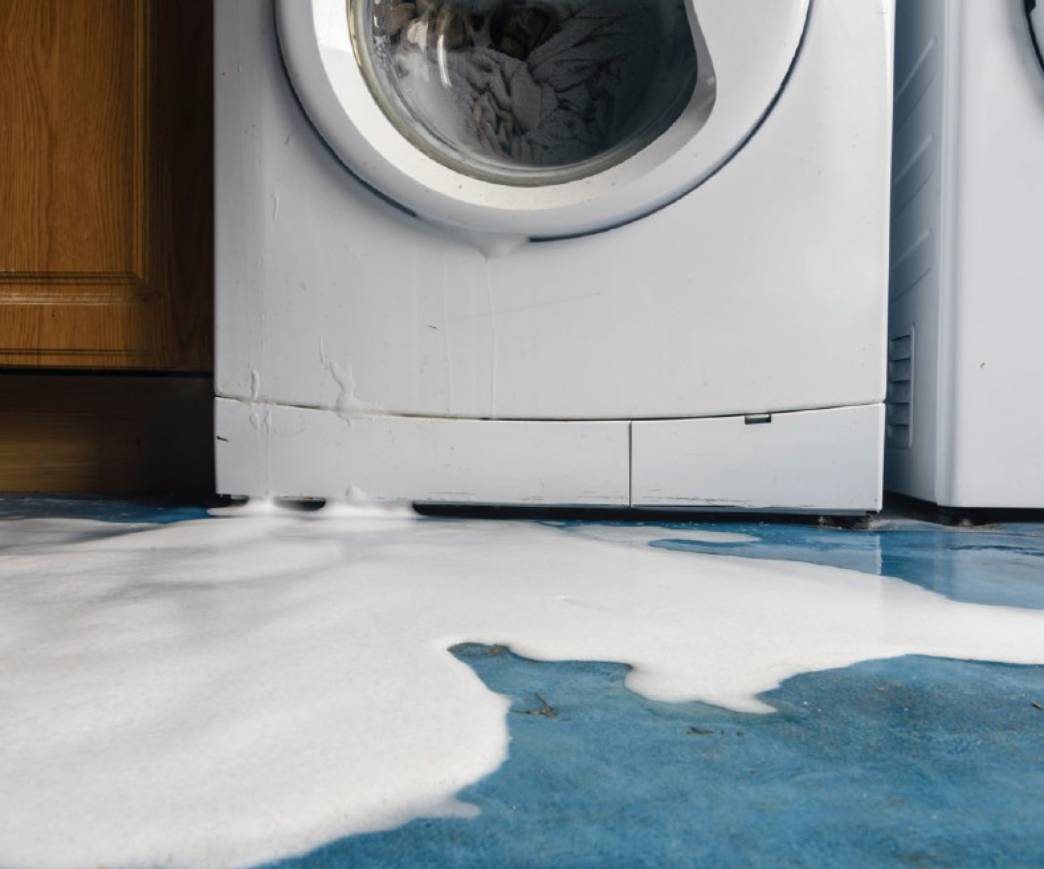
The liability section of a contents policy is often overlooked by tenants, but it can become extremely important if accidental damage occurs to the landlord’s property.
Under New Zealand tenancy legislation, tenants can still be held responsible for careless damage to a rental property in certain situations. This is usually capped at the lower of four weeks’ rent or the landlord’s insurance excess. While that may sound manageable at first, landlord insurance excesses can sometimes be surprisingly high. For example, if damage occurs and the landlord needs to make an insurance claim:
• a $500 excess could still become an unexpected bill during an already stressful time
• a $2,500 or even $5,000 excess could create significant financial pressure for many households
• what looks like one incident may still result in more than one excess, depending on the insurer and the circumstances of the claim.
This is where contents insurance may help.
Depending on the insurer, policy wording and circumstances of the claim, the liability section of a contents policy may respond to some of these costs. In many cases, instead of personally paying the landlord’s insurance excess or damage costs yourself, you may only need to pay your own policy excess. That can make a substantial difference financially and emotionally when something unexpected happens.
Liability cover may also help in other situations where you accidentally cause damage to another person’s property, depending on the policy and circumstances involved.
Contents insurance is often viewed as optional by tenants, particularly by people who feel they do not own expensive belongings. But the value of cover is not always just about replacing possessions. It can also be about protecting yourself from unexpected liability costs.
This has become increasingly important as some landlords choose higher insurance excesses as a way of helping reduce premium costs. Many tenants are unaware they could still face costs relating to careless damage, even when the property itself is insured by the landlord.
Every insurer and policy is different, so it is important to check exactly what is and is not covered, including liability limits, exclusions and excesses. Having the right cover in place can provide reassurance not only for the things you own, but also for the unexpected costs that can arise when accidents happen.Back