


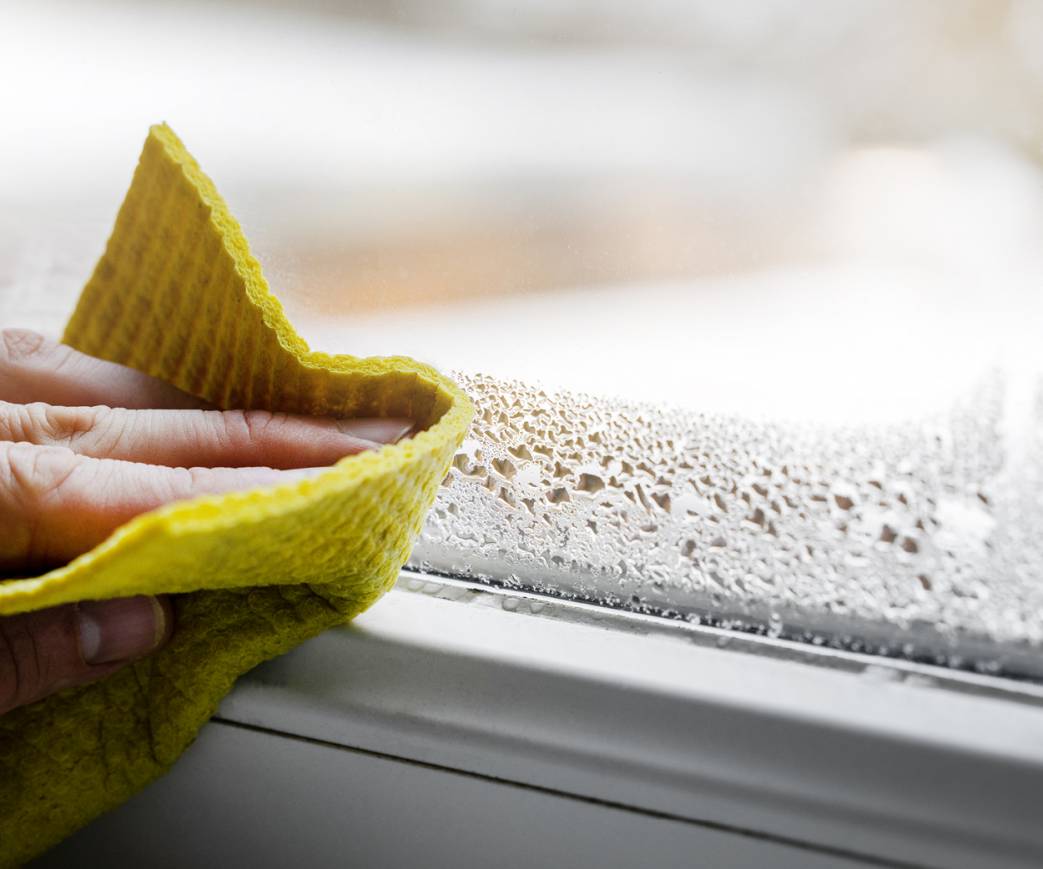
Winter is when small maintenance issues can quickly become expensive property problems. A blocked gutter, weak extractor fan, roof leak or poor drainage can all contribute to dampness, mould and avoidable damage.
The Healthy Homes Standards, including the heating standard, are minimum standards. Meeting the minimum requirement does not mean a property is automatically performing well through winter. Landlords still need to think about how the home is actually operating in colder, wetter months, including ventilation, drainage, insulation, moisture control and general maintenance.
Under section 45 of the Residential Tenancies Act 1986, landlords must provide and maintain the premises in a reasonable state of repair and comply with the Healthy Homes Standards. Failure to meet these obligations can be an unlawful act and attract penalties, compensation payable, and the work must still be done.
A good property manager should help landlords stay ahead of winter maintenance, not simply react when something goes wrong. This means having a winter-ready plan that includes annual and seasonal tasks such as gutter cleaning, checking downpipes and drains, reviewing ventilation, confirming extractor fans are working effectively, and following up on early signs of leaks, condensation or mould.
Since 1947, every house shall be free from dampness – Housing Improvement Regulations 1947.
Rental homes need to be free from mould and dampness before being rented out and remain that way during the tenancy. Tenants need to keep the property well aired and remove mould straight away. This is important because mould prevention is not one-sided. Landlords must provide and maintain a compliant, well-maintained property, and tenants must use the property in a way that does not encourage dampness or mould.
Practical winter checks should include:
• Clearing gutters and downpipes
• Checking drains are not blocked
• Looking for leaks, water staining or damp smells
• Checking extractor fans are working
• Trimming vegetation that blocks sunlight or airflow. Note that tenants are not responsible for trimming trees or hedges
• Watching for condensation, mould or poor ventilation during routine inspections.
Tenants also have responsibilities under section 40 of the Residential Tenancies Act 1986. They must keep the premises reasonably clean and tidy and notify the landlord as soon as possible after discovering damage or the need for repairs. That means tenants should report leaks, persistent condensation, faulty extractor fans or mould that keeps returning.
The safest approach is simple. Have a plan before winter hits, keep good records, act quickly on maintenance, and make sure tenants understand their role in keeping the home dry and well ventilated.
Winter is predictable. Moisture is predictable. The cost of ignoring both is predictable.
Harcourts Just Rentals helps protect the landlord’s investment, support the tenant’s well-being, and reduce the risk of avoidable disputes.
Back